

DATSCAN
Patient Information Leaflet
What is a Nuclear Medicine Scan?
- A nuclear medicine scan is a very common medical procedure.
- It uses small amounts of radioactive materials to highlight a specific organ.
- This helps your Doctor diagnose (find the problem) and, in some cases, treat a number of diseases.
- The scan uses a gamma camera to look for signs of disease.
- It shows the Doctor how well your organs are working. Other types of scans show what your organs look like.
What is a DATSCAN?
- This scan checks the level of dopamine in your brain using a small and safe amount of radioactive material (a tracer), to help see it.
- If the brain takes in less of the radioactive material, it can mean some dopamine nerve cells are lost.
- This can happen with Parkinson's disease and similar conditions.
- Losing dopamine nerve cells can cause problems with moving, like walking or using your hands.
- This scan can also help find out if someone has Lewy Body dementia.
- The DATSCAN radioactive tracer is an expensive medicine.
- It costs £700 per patient.
- The dose is ordered from Europe four working days before your appointment.
- If you cannot come to your appointment, please tell us at least four working days before. This lets us cancel the medicine, which can only be used for one day.
- It is very important that you confirm your appointment when you receive this letter.
- Our telephone number and email address are below, in the section 'Contact our service'.
Do I have to do anything to prepare for this procedure?
- Yes. It is very important that you confirm your appointment when you receive your appointment letter.
- If you do not confirm, the dose will not be ordered, and the scan cannot be done.
- There is a list of medications below which you may need to stop taking.
- Please check your medications against this list.
- You must talk to your clinician first before you stop taking these medications or if you have any worries or concerns.
- Please call us if you have any questions about medications on the telephone number at the end of this leaflet.
- Please let us know if you are allergic to lodine.
Medication that needs to be stopped before a DATSCAN procedure
| Medication | How many days before the scan you need to stop taking it |
|---|---|
| Amfetamine | 7 |
| Bupropion | 8 |
| Cocaine | 2 |
| Dexamfetamine | 7 |
| Dexamethylphenidate | 7 |
| Ephedrine | 1 |
| Fentanyl | 5 |
| Isoflurane | 1 |
| Ketamine | 1 |
| Mazindol | 3 |
| Methylamfetamine | 7 |
| Modafinil | 3 |
| Norepinephrine | Only at high doses |
| Phentermine | 1 |
| Phencyclidine | 1 |
| Phenylephrine | Only at high doses |
| Radafaxine | 3 |
What will happen when I come for a DATSCAN?
On arrival
- A tablet called Potassium lodide will be given to you.
- This stops the radioactive tracer from being absorbed by your thyroid gland.
15 minutes after the tablet was taken
- A radioactive tracer will be injected into your vein.
- This helps us see the part of your brain that we need to scan, using our special camera.
- You may leave the department after this injection and return when it is time for your scan.
3 to 4 hours after injection
- You will be asked to come back at this time so we can scan your brain.
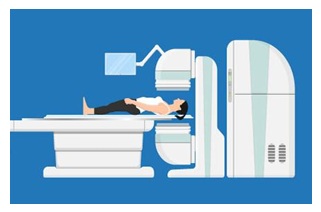
- You will be asked to lie on your back on a bed with your head in a small cradle.
- Two cameras will move around your head to create the images, but they do not touch the head.
- The entire scan can take up to 45 minutes.
- It is important that you keep still during the scan.
Is it dangerous?
- The scans are safe and painless.
- Because a small amount of radioactive tracer is used, there is only a very small risk of radiation exposure.
- If you have any worries or questions about the scan, please talk to your Doctor or contact the Nuclear Medicine department.
Are there any precautions?
- Please tell the Nuclear Medicine Technologist or Radiographer if you might be pregnant or are breastfeeding before you come to your appointment.
- Please tell us if you are very afraid of needles (needle phobia) or cannot lie down flat.
- The camera comes very close to your head during the scan so please let us know if you feel anxious in small spaces (claustrophobia).
What happens after the scan?
- Drink lots of water.
- The radioactive tracer leaves your body through your pee (urine). Drinking lots of water will help get rid of it faster.
- Do not have any blood or urine tests for 24 hours after your scan because the radioactive tracer may still be in your body.
How do I get my result?
- A Radiologist reviews (looks at) the scan and sends the report to the Specialist Doctor who asked for it. They will then contact you directly.
- This can take about 2 to 3 weeks.
Is there anything else I should know?
- You will need to lie down flat and stay still during the scan. Moving can make the pictures unclear.
- The scan can take anywhere from 15 to 60 minutes. This will depend on the type of procedure you are having.
- Please do not bring anyone with you who is pregnant or under 18 years old. This is because there are radioactive materials in the department**.
- We do not allow anyone under 18 to interpret for patients.
- If you need an interpreter, please tell the Nuclear Medicine department, and they will arrange one for you.
Contact our service
- Email: whh-tr.nuclearmedwhitthealth@nhs.net
- 020 7288 5517 Monday to Thursday, 9 am to 5 pm
- On Friday's: Please call our mobile on 07747 037 143.
Published:
27 Jan 2026
Review:
27 Jan 2028
Reference:
ACW/Imag/DATSCAN/02