

Chronic Liver Disease (Cirrhosis)
What is chronic liver disease?
- The liver is an organ in the upper right part of your belly.
- When the liver gets damaged, scar tissue can form.
- Liver cirrhosis, also called advanced chronic liver disease (CLD), happens when too much scar tissue builds up. This stops the liver from working well.
- Many things can cause this.
Symptoms and complications of chronic liver disease
- Many people with cirrhosis can feel well and live for years without symptoms.
- This is because the liver can still work well even when it is badly damaged. This is called compensated cirrhosis.
- If your liver is not able to perform all its functions, complications can develop which can be life threatening.
- This is called de-compensated cirrhosis.
If you have any of these signs, you must call 999 or go to the emergency department right away:
- Vomiting blood
- Black poo that may look like tar (this is caused by blood in your poo)
- Feeling confused or very sleepy
- Changes in memory or behaviour (family may notice this)
- Swollen tummy, fever, feeling sick, or vomiting
- Yellow skin or yellow eyes
| Top Tips | |
|---|---|
 |
1. Avoid alcohol: Do not drink alcohol. Any amount can harm your liver and may lead to death. There are local services and groups that can help if you need support listed below. |
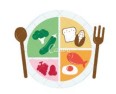 |
2. Eat a healthy diet: Keep a low salt diet and maintain a healthy weight by eating well and staying active. |
 |
3. Take your medication: Take all your regular medications. Ask your doctor or pharmacist before taking any new medicine, even ones bought without a prescription. |
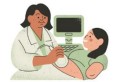 |
4. Attend your appointments: Go to your clinic and ultrasound (liver scan) appointments every 6 months. If you miss an appointment, book a new one as soon as you can. |
 |
5. Ask questions: If you have any questions or worries, talk to your liver doctor. |
Resources and useful contacts
Whittington Gastroenterology Nurses Helpline Telephone: 020 7288 5692 Email: whh-tr.GIHelpline@nhs.net
British Liver Trust
The largest UK liver charity. It provides information and support for those affected. https://britishlivertrust.org.uk/
Patient Information
| This website has information on various health conditions including liver disease. https://patient.info/digestive-health/abnormal-liver-function-tests- leaflet/cirrhosis |  |
NHS Alcohol Support Information
| https://www.nhs.uk/live-well/alcohol-advice/alcohol-support/ |  |
What is chronic liver disease?
The liver is an organ in your body that helps to:
- Clean the blood and remove toxins
- Break down medicine, alcohol, and waste
- Help the body fight infections
- Store energy for later
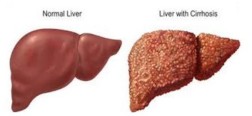
- Liver cirrhosis is severe liver damage. The liver forms scar tissue which makes it harder for blood to flow and the liver can't work properly. The liver can get damaged by things like infections, too much alcohol, fat buildup, or certain diseases.
- Cirrhosis can also cause high blood pressure in the liver's blood vessels (veins). This can make other veins in the body swell and cause serious problems.
- Liver cirrhosis cannot be cured but treating the cause can help stop more problems. Your doctor will help you find the right treatment.
 |
Symptoms and complications
- Not everyone with cirrhosis will experience all these complications.
- It is important to watch out for the red warning signs on the summary page at the start of this leaflet. They might mean that one of these complications is happening.
- If you notice them, you should call 999 or go to the Emergency Department (ED) right away.
1. Ascites
- This is when your belly swells because of extra fluid.
- It can cause stomach pain, nausea, constipation, stop you from feeling hungry. It can also make your legs swell.
How can we manage this?
- Eating less salt can stop extra fluid from building up.
- Medicines called diuretics can help your body get rid of water and salt through pee (urine). Common ones are furosemide or spironolactone.
- If the swelling is bad, a doctor can put a small drain in your belly to take the fluid out. This is done with a numbing medicine and usually doesn't need an overnight stay.
- If the diuretics don't work, a procedure called transjugular intrahepatic portosystemic shunt (TIPS) might be needed to help reduce the fluid (see point 3. Varices).
- Sometimes, a long-term drain is used to remove fluid regularly without needing a new drain every time. This type of drain can be managed at home.
2. Spontaneous bacterial peritonitis
- This is when fluid in the belly gets infected.
- It can cause belly pain, fever, feeling sick, and vomiting.
- You will need urgent hospital treatment with antibiotics.
- You might also get antibiotics to take for a long time to help stop it from coming back.
3. Varices
- Varices are swollen blood vessels (veins) in the food pipe (oesophagus) or stomach.
- Sometimes, these veins can burst and cause serious bleeding.
- This bleeding might show up as blood in vomit or poo. If this happens, call an ambulance or go to the Emergency Department (ED) right away.
How can we manage this?
- Medicines: Some medicines, called beta blockers, can help reduce the chance of bleeding. Common ones are called carvedilol and propranolol.
- Banding: In this treatment, a doctor uses a small camera that goes through your mouth to reach the swollen veins. Then, the doctor places tiny bands on the veins to stop bleeding. You'll get medicine to help you feel calm.
- TIPS Procedure: If other treatments don't work, doctors might do a transjugular intrahepatic portosystemic shunt (TIPS) procedure.
- This makes a small tunnel between two veins in the liver. This tunnel helps lower pressure on the swollen veins, so they don't burst.
- It is done under sedation and afterwards you will need to stay in hospital overnight.
4. Liver cancer
- Hepatocellular carcinoma is a type of liver cancer. If you have liver cirrhosis, you have a higher risk of getting this cancer.
- The cancer might not cause any signs until it gets very big. That's why it's important to have regular check-ups, like a blood test and an ultrasound (liver scan), to find it early.
- If it is found early, there are treatments that can cure it or delay progression.
Be sure to go to your liver ultrasound every 6 months. If you miss your appointment, reschedule it as soon as you can.
5. Hepatic encephalopathy
- Sometimes, the liver can't remove a waste called ammonia.
- Ammonia is made by bacteria in the gut. If too much of it builds up, it can make the brain not work well.
- It can cause:
- Mood changes
- Trouble sleeping
- Problems focusing or remembering
- Irregular handwriting
- Trouble walking or balancing
- In serious cases, feeling very sleepy or even going into a coma.
How can we manage this?
Medicines can help lower ammonia.
- Lactulose is a laxative that helps stop bacteria from growing in the gut.
- It is important to have a poo 2-3 times a day when taking lactulose. If this doesn't happen, let your doctor know.
- Rifaximin is an antibiotic that also stops bacteria from growing in the gut.
6. Jaundice
- Jaundice is when the skin and eyes turn yellow.
- If you have brown or black skin, it might be harder to notice, but you may see yellowing in the whites of your eyes.
- Jaundice happens when there is too much bilirubin in the body.
- Bilirubin is a substance that the liver usually removes. If the liver isn't working well, like in cirrhosis, bilirubin can build up.
- Treatment for jaundice depends on what is causing the liver problem.
7. Itching
- Itching of the skin can happen due to build up of toxins.
- This can be relieved with creams that have a cooling effect, or medications that can ease itching.
General advice
Liver Transplant
- If your liver disease gets worse and medicine can't help, your doctor might talk to you about a liver transplant.
- This means taking out your sick liver and giving you a healthy liver from another person.
- The doctors will need to check if a transplant is right for you because not everyone can have one.
- There is one important rule: you must stop drinking alcohol for at least 6 months to be considered for a transplant.
Diet
- Eating healthy can help the liver.
- People with cirrhosis need more carbohydrates and protein because their liver has trouble using food for energy.
- When the liver can't store energy, the body uses protein instead. This can make you feel weak and lose muscle.
These are some tips:
- Do not drink any alcohol. Even a small amount can hurt your liver and cause serious problems.
- Eat smaller meals more often throughout the day, instead of three big meals.
- Keep a balanced diet with more protein and carbohydrates.
- Have a high-protein or high-carb snack before bed.
- Reduce salt by not adding it to your food, using less when cooking, and checking food labels for salt in processed foods.
- If you are having trouble, ask a Dietitian for help.
| Sources of protein | Sources of carbohydrates | Examples of bedtime snacks |
|---|---|---|
| Eggs | Bread | Milk and biscuits |
| Beans, lentils, chickpeas | Pasta | Cereal with banana |
| Tofu | Rice | Pitta bread with hummus |
| Nuts | Potatoes | Full fat yoghurt |
| Fish | Yam | Toast with jam |
| Meat - chicken or lean red | Wholegrain versions are | Crackers with cheese |
| meat | healthier (brown rice/ brown | |
| pasta) | ||
| Plantain |
Driving and travel
- If you have hepatic encephalopathy, do not drive and let the Driver and Vehicle Licensing Agency (DVLA) know.
- If you have any concerns about travelling, speak to your Doctor.
Vaccinations
If you have cirrhosis, it is easier for you to get sick from infections. Vaccines can help protect you from infections that could make you feel worse or harm your liver.
These are the vaccines you need:
- COVID-19 vaccine
- Flu vaccine every year
- Pneumococcal vaccine every 5 years
- Hepatitis A vaccine
- Hepatitis B vaccine
Medications
- The liver helps your body use medicine.
- If your liver is not working well, you need to be careful with medicine.
- This is what to remember:
- If you take paracetamol for more than one week, do not take more than 3000 mg (3g) a day.
- If you have 500 mg tablets, take six tablets a day, maximum.
- If you weigh less than 50 kg, take no more than 2000 mg (2g) of paracetamol a day.
- If you have 500 mg tablets, take four tablets a day, maximum.
- Do not take medicines like ibuprofen, diclofenac, or naproxen.
- Tell your Doctor if you take any other medicines or supplements. Do not take new medicine without asking your Doctor first.
Medication summary
In this leaflet we have talked about different types and names of medications. This is a summary of the common medicines that you might take.
| Complication | Medication and how it works |
|---|---|
| Ascites | Spironolactone Furosemide - These are called diuretics. They help your body get rid of extra fluid through the urine. You may need to check your weight to help adjust the doses. You will need blood tests to check your kidneys while taking these medications. |
| Spontaneous bacterial peritonitis | Ciprofloxacin - This an antibiotic. You may get this to treat and prevent infection related to fluid build up. |
| Varices | Carvedilol Propranolol - These are beta blockers. They lower your blood pressure and can reduce varices from forming. They may also slow your heart rate so your blood pressure and heart rate will need to be checked. |