

How to gain weight the healthy way
Information on how to gain weight whilst also keeping your heart healthy
Patient information factsheet
Introduction
- A fortified diet means adding extra calories and nutrients to the food you already eat.
- You might have been told to follow a fortified diet to help you gain weight or may want to gain weight without adding extra nutrients to your food.
- Either way, it is important to change a few things that you eat to support healthier food choices.
- You can still gain weight and eat a healthy diet.
- You can do this by switching and changing the types of fats and snacks that you choose to eat.
- The Eatwell Guide will show you how to eat a balanced diet and still gain weight.
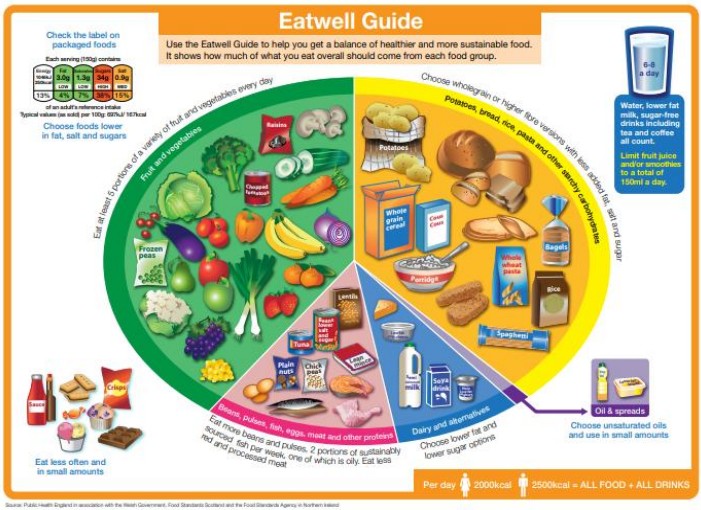
- This guide helps you do this without choosing foods like chocolate, crisps, biscuits, and ice cream.
- It suggests that you increase eating carbohydrates such as bread, rice and cereals. These are in the 'yellow' food group.
- It also suggests eating protein rich foods like chicken, fish, beans and eggs. These are in the 'blue' food group.
- It is also very important to eat foods from the 'green' food group, like fruit and vegetables. These have important vitamins and minerals.
- When trying to gain weight in a healthy way, it is important to think about changing the types of fat you eat.
- Different fats can affect your health in different ways. See below.
What is cholesterol and how does my diet affect it?
- Cholesterol is a type of fat. It is important for good health and the structure of your cells.
- It is made by the liver from saturated fats in the food that you eat.
- Reducing saturated fat in your diet can reduce your cholesterol levels.
- We will tell you about good types of fats later in this leaflet. They will be listed in the 'food fortification' section on the next page.
- Cholesterol enters the blood and is carried around by proteins.
- These combinations of cholesterol and proteins are known as lipoproteins.
- The two main types are low density lipoproteins (LDL) ('bad fat') and high- density lipoproteins (HDL) ('good fat').
- The aim is to have lower levels of LDL and higher levels of HDL. You can do this by changing the types of foods and fats that you eat.
- You can also increase your HDL by doing regular exercise.
| LDL cholesterol (bad fat) | HDL cholesterol (good fat) |
|---|---|
| Causes narrowing of the arteries, which can increase the risk of coronary heart disease. | Removes cholesterol from the circulation and appears to be protective against coronary heart disease. |
Food fortification
- Food fortification means adding extra things to your food to give it more energy.
- This helps without making the portion bigger.
- It can be helpful if you don't feel very hungry (poor appetite) or if you are trying to gain weight.
Good fats
- You can gain weight a healthy way by fortifying foods with "good" fats.
- This increases their energy content without increasing your cholesterol levels.
- Good fats are foods that contain unsaturated fat.
- These fats come from vegetable or plant-based sources.
- You should choose to eat these types of fats rather than saturated (bad) fats.
- The table below gives examples of "good" fats to fortify with.
Bad fats
- Bad fats are foods that contain saturated fat.
- Eating large amounts of these can raise your cholesterol levels.
- They are mostly found in animal products. The table below gives examples of "bad" fats to limit or reduce when fortifying food.
Sources of 'bad' fats
| Food Group | Food |
|---|---|
| Fats and oils | Butter, lard, palm oil and coconut oil, animal fats (fat on meat) Lard frying 500ge 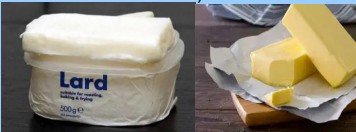 |
| Dairy products | Full fat milk (blue top), cream, coconut milk, full fat cheese, ice cream, evaporated milk, condensed milk SINCE 1899 Nestle arnation Full Fat condensed milk MILK OF 397g 0 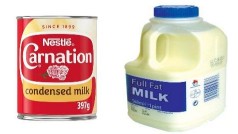 |
| Nuts | Peanuts and cashews nuts which have added salt (ready salted, dry roasted) |
| Carbohydrate Snacks | Pastries and cakes made with butter and cream. 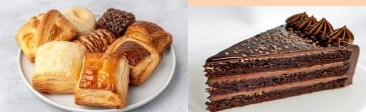 |
| Fruit & vegetables | Vegetables in cream and cheese sauces |
Tips on how to fortify foods with "good" fats
| Food Group | Good fortification options | Add to |
|---|---|---|
| Fats and oils | Vegetable oils (sunflower, olive or rapeseed oils) Plant based spreads e.g. olive spread, sunflower spread, Tahini 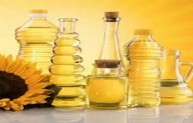 |
Add to vegetables, salads, sauces and mashed potato, boiled rice. Spread thickly on bread, crackers |
| Dairy products | Semi-skimmed milk (green top) Skimmed milk (red top) Skimmed milk powder Low fat yoghurt 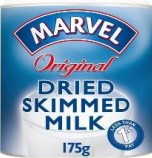 |
Add semi skimmed milk to vegetable, potatoes, soups and sauces. Drink a pint of semi skimmed milk with 4 tablespoons of skimmed milk powder added for extra energy and protein. Add skimmed milk powder to drinks such as hot chocolate, milkshakes, tea and coffee. Add skimmed milk powder to vegetables, potatoes, soups and sauces Add yoghurt to fruit or cereal |
| Nuts Seeds Nut and Seed bars | Walnuts, Almonds, Brazil nuts Sesame seeds, pumpkin seeds, sunflower seeds, hemp seeds or linseeds 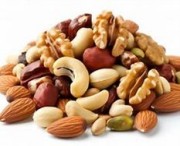 |
Add to cereal, yoghurt or fruit. Have a handful as a snack Sprinkle over cereal or vegetables Have a cereal, nut and seed bar as a snack |
| Carbohydrate Snacks | Crackers (unsalted) e.g. oatcakes or seeded ryvitas Cereal and semi skimmed milk Toast Hot cross buns 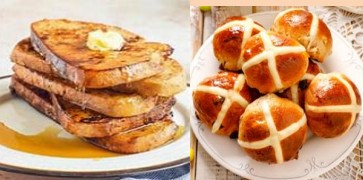 |
Snack on these foods throughout the day between meals. Try crackers or a bagel with low fat cream cheese, smooth halva and honey, peanut butter, nut spread or houmous. Try a slice of toast with banana |
| Fruit and vegetables | Fresh, tinned, or dried fruits. Avocado and vegetable sticks. Olives 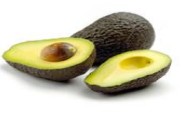 |
Adding fruit to cereal, toast, and yoghurt. Having avocado in a salad or mashing some up and having with crackers or vegetable sticks Have some vegetable sticks with some houmous or guacamole as a dip Snack on a handful of olives or add to salads, pasta dishes |
| Oily Fish (it contains omega 3 which helps keep your heart healthy). Get the tinned fish in sunflower oil rather than brine or water | Fresh or tinned salmon Fresh tuna (not tinned) Fresh or tinned mackerel, sardines, herring, trout 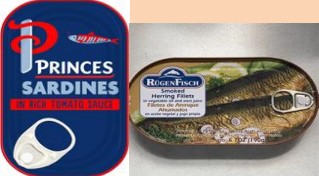 |
Aim to have 2 portions of oily fish per week if you have had a heart attack or stroke. If not aim for 1-2 portion of oily fish per week. Have no more than two portions if you are pregnant Have in a salad or a sandwich Have as your protein source in your main meal |
What if I have a poor appetite (not hungry)?
You should try to:
- Try not skip meals - if you cannot manage a meal, try a milky drink instead. For example, a milkshake, hot chocolate and/or a small snack (cereal with milk, crackers with cream cheese).
- Eat little and often - try eating small frequent meals every 2-3 hours.
- Have a pint of semi-skimmed milk with 4 tablespoons of skimmed milk powder added (for extra energy and protein) as a nourishing snack each day.
- Have nourishing drinks between meals, such as milk, milky coffee, hot chocolate, milkshake, malted drinks (such as Horlicks or Ovaltine).
- Chose low sugar options if you have diabetes.
- Make the most of it and eat more when you are feeling hungry.
- If you are hungry most in the morning, try having a good breakfast.
- Have cereal with dried fruit and two slices of bread or baked beans/ poached egg on toast), or snack if you find you are hungry between meals.
- Eat first, drink later.
- Drinking with meals can make you feel fuller sooner, so it is important not to fill up on fluids rather than eating.
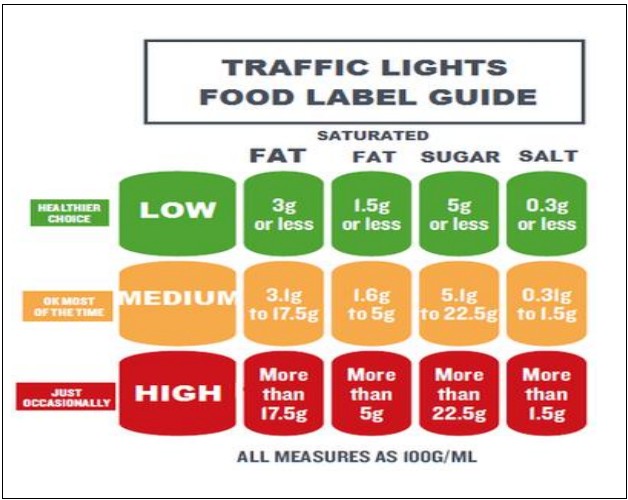
- Tip: If you are unable to cook, choose ready-made oven/microwave meals or tinned foods.
- Try go for options which state they are low in salt or saturated fat (check the green label to go).
How to make 'fortified milk'
Add 4 pudding spoons/spoonfuls of skimmed milk powder to 1 pint of whole milk (blue top) or semi-skimmed milk (green top).
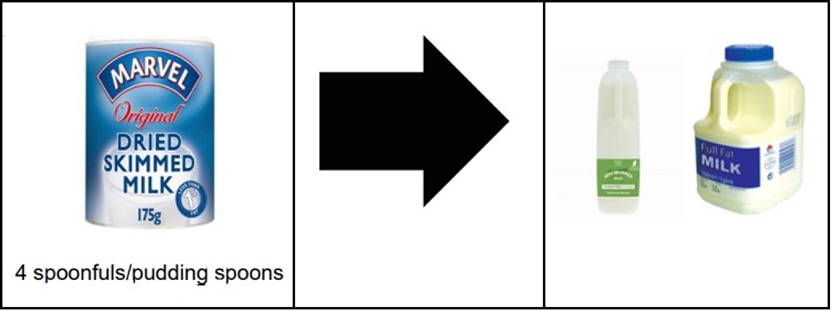
Use this to:
- Make up milkshakes
- In cups of tea/ coffee
- On cereals
- In foods likes custard, mashed potatoes etc
- Add to any nutritional supplement drinks you may be taking
Contact our service
If you have any questions or concerns, please do not hesitate to contact our team of Dietitians on 020 3224 4720 Monday to Friday, 9am to 5pm.
Published:
24 Apr 2026
Review:
24 Apr 2028
Reference:
ACS/Nut&Diet/HGWHW/01