

Molar Incisor Hypomineralisation (MIH)
Patient Information Leaflet
What is MIH?
- Molar-incisor hypomineralisation (MIH) is a dental condition that affects enamel, the hard outer layer of a tooth.
- In MIH, the enamel is softer than usual.
- This means the teeth can be more sensitive and more likely to get tooth decay.
- The adult molars (back teeth) and incisors (front teeth) are most often affected.
Signs and symptoms of MIH
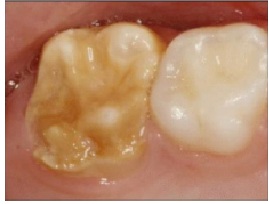
- White, cream, yellow or brown marks on the teeth.
- Pain or sensitivity, including when brushing.
- The tooth may look rough or crumbly and may chip more easily.
- If MIH is severe, the tooth can break down quickly and may need to be removed.
What causes MIH?
- The exact cause of MIH is not fully understood.
- There may be links with illness during pregnancy, around the time of birth or in early childhood.
- These illnesses may affect how the teeth develop.
- Around 1 in 8 children in the UK are affected by MIH.
How is MIH diagnosed?
- MIH is often noticed when the adult back teeth and front teeth start to come through, usually at about 6 to 7 years old.
- Your dentist may ask about your child's health and may take X-rays if needed.
- They may refer your child to community dental services or a dental hospital for specialist children's dental care.
How is MIH treated?
- Your dentist will discuss the best treatment for your child.
- This depends on their age, how well they can manage dental treatment and how badly the tooth is affected.
- Treatment aims to reduce sensitivity and stop the tooth from breaking down further.
Fluoride varnish
- Fluoride painted onto the teeth at least twice a year.
Fissure sealant
- A plastic coating put on the chewing surface of a back tooth.
White filling
- A filling material used to repair or cover the tooth.
- A numbing injection may be needed if drilling is needed.
Preformed metal crown
- A silver-coloured cap that covers the tooth.
Tooth removal
- Badly affected teeth may need to be removed.
- An orthodontist may be asked to help choose the best time so other adult teeth can move into the space.
What treatment can be used for front teeth?
Microabrasion
- A polishing paste is used to remove a very thin outer layer of enamel.
White filling
- Filling material can be used to cover discolouration.
Tooth whitening
- This is only used in specific circumstances for people under 18.
What else can I do?
- Reduce how often your child has sugary food and drinks.
- Your dentist may prescribe a higher-fluoride toothpaste for children aged 10 years or older.
- A fluoride mouthwash may be advised for children aged 7 years or older.
- Take your child for regular dental checks.
Get more information
British Society of Paediatric Dentistry: https://www.bspd.co.uk/
Published:
13 Oct 2026
Review:
13 Oct 2028
Reference:
SC/DentServ/MIH/02