

CT Colon Full Dose Prep (Iodine Allergy) Picolax/E-Z-CAT Bowel Prep and Diet Sheet
Patient Information Leaflet
- It is essential that you read this information and follow the instructions prior to your test.
- The success of this test depends on your colon (large bowel) being as empty as possible.
- If the colon is not adequately cleansed the test may have to be repeated.
- If you are unable to complete the preparation as instructed, please contact the Imaging Department before attending your appointment on the number above.
Please find enclosed:
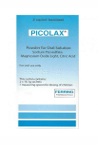
- Two sachets of Picolax® (above)
- Picolax® is a laxative used to cleanse your colon prior to your test.
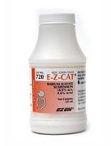
- One 225ml bottle of E-Z-CAT® (above)
- E-Z-CAT® improves the scan quality and contains barium sulphate.
- This is an alternative to the iodine-based X-ray dye normally used and can be taken by people who have an iodine allergy.
3 Days before your test (or from when you receive this letter):
- Stop any iron tablets, but continue to take all other medications and laxatives you usually take.
2 Days before your test:
Eat only low fibre foods, which includes the following:
- Milk (2 cups per day), plain yoghurt, cheese, butter, margarine.
- White fish or chicken (boiled, steamed or grilled).
- Eggs, tofu, white pasta, white rice, white bread.
- Potatoes with no skin (e.g. mashed, boiled).
- Clear soups (no solid bits e.g. sieved chicken noodle), Bovril, Oxo.
- Clear jelly, boiled sweets, ice cream, chocolate (no fruit or nut pieces).
- Salt, pepper, sugar, sweeteners and honey.
Have plenty to drink throughout the day:
- Water, tea, coffee, squash, fizzy drinks, clear fruit juices (e.g. apple/ cranberry).
Do not eat high fibre foods, such as:
Fruit, vegetables, salad, mushrooms, sweetcorn.
Cereals, nuts, seeds, pips, bran, beans, lentils.
Brown bread, brown or wild rice, brown pasta.
Pickles, chutneys.
Do not eat red meat or pink fish (e.g. salmon)
The day before your test:
Diabetic patients only:
- Check blood sugar four times during the day. If at any point your blood sugar is below 5, drink clear sugary liquids to avoid a 'hypo'.
07:30 - 09:00
- Dissolve the content of the First Picolax® sachet in a cup of cold tap water (approx. 150mls).
- Stir for 2-3 minutes and drink the solution.
- If the solution becomes too hot, wait until it cools before drinking.
Breakfast (about 08:30)
- You may have 1 cup of tea/ coffee if you wish.
- Eat only low fibre foods (see list above).
- Example breakfast: 1-2 boiled eggs and a piece of white bread/toast with low fat spread.
- Drink approximately 50mls of the E-Z-CAT® now.
Diabetic patients only:
- Take insulin/ diabetic tablets with your breakfast
After Breakfast
- You may have 1 cup of tea/ coffee if you wish.
- Drink one large glass (half pint) of water or clear drink every 30-40 mins.
- Do not eat anything until lunchtime.
Lunch (about 12:30)
- Have a light lunch.
- Eat only low fibre foods (see list above).
- Do not eat bread, potatoes, fruit or vegetables.
- Example lunch: Boiled or grilled (not fried) fish/ chicken, clear soup/ bovril and any other clear drinks.
- Drink approximately 50mls of the E-Z-CAT® now
After lunch
- Drink one large glass (half pint) of water or clear drink every 30-40 mins.
3pm - 3:30pm
- Dissolve the content of the Second Picolax sachet in a cup of cold water (approx 150 mls).
- Stir for 2-3 minutes & drink the solution.
- If the solution becomes too hot, wait until it cools before drinking.
4pm - 7pm
- You may have 1 cup of tea/ coffee if you wish.
- Drink one large glass (half pint) of water or clear drink every 30-40 mins.
Dinner (between 7pm - 9pm)
- No solid food - you may drink clear soup.
- Do not eat anything until after your examination.
- Drink approximately 50mls of the E-Z-CAT® now.
After dinner and throughout the night
- Clear fluids of any type may be taken regularly before midnight.
- Drink as much water as required after midnight.
Diabetic patients only:
- Reduce your insulin dose by half, continue your diabetic tablets as normal.
- You should expect frequent bowel movements to start a few hours after taking the first dose of CitraFleet®.
- Some associated abdominal cramping is normal.
- CitraFleet® is designed to cleanse the bowel and will cause loose movements similar to diarrhoea.
- You will need to ensure you are near a toilet during this time.
- To prevent soreness, you may apply Vaseline or a barrier cream locally after each bowel action.
The day of the test:
- Do not eat anything until after your test.
- Drink clear fluids until 2 hours before your appointment.
- At 8am drink all of the remaining E-Z-CAT® solution now (approximately 75mls)
Diabetic patients only:
If you have a Morning appointment:
- Continue to drink clear sugary fluids.
- Do not take anymore insulin/ diabetes tablets until after the test.
- Check blood sugar if you can before arriving at the hospital.
- Bring insulin/ diabetic tablets and a light meal (e.g. sandwich) with you to the hospital to have after the test.
If you have a Afternoon appointment:
- Continue to drink clear sugary fluids.
- Take half your normal dose of insulin in the morning only.
- Do not take diabetes tablets.
- Check blood sugar if you can in the morning and before arriving at the hospital.
- Bring insulin/ diabetic tablets and a light meal (e.g. sandwich) with you to the hospital to have after the test.
Bowel preparation can be harmful, although this is unusual.
There is a risk of developing dehydration, low blood pressure or kidney problems with this medication.
The doctor prescribing the oral cleansing agent will have assessed your risk and identified the most appropriate medication for you.
You should refer to the manufacturer's instructions when taking your preparation, however the following rules do apply:
- The prescribed dose of oral cleansing agent should not be exceeded and should not be taken over a period longer than 24 hours.
- Oral medication should not be taken within one hour of administration of bowel cleansing agent as it may not be absorbed.
- Due to the risk of dehydration it is important to maintain good fluid intake whilst taking these medications.
- If you develop symptoms of dehydration, such as dizziness, thirst or reduced urine, please seek medical attention.
Additional side effects include:
- Nausea, vomiting, bloating, abdominal pain, anal irritation and sleep disturbance.
- Allergic reactions (such as rash, itchiness, redness and swelling) - these should be reported.
- People who are particularly at risk of dehydration and loss of salts include the frail elderly, children, people with renal (kidney) impairment, cardiac (heart) failure, liver cirrhosis & those taking water tablets (diuretics).
Produced by UCLH and used with their kind permission.