

How to avoid falls (MACC)
Patient Information Leaflet
North Central London Health and Care Integrated Care System
Tips and advice for patients and their carers to prevent falls
Please discuss with your GP or Therapist if you need further help
Exercise and physical activity
- We recommend that you do regular, moderate-intensity aerobic exercise (walking, swimming, practising an exercise program) for at least 150 minutes (2-3 hours) a week.
- This will help you to maintain good physical health.
- This can be broken down into 30-minute intervals five times a week, or shorter 10-minute intervals several times throughout the day.
- Physical activity is any activity that causes you to breathe harder and feel warmer, for example dancing, tai chi, gardening, carrying shopping, brisk walking.
- Other examples are chair exercise or functional tasks of daily living like climbing stairs or standing while preparing simple meals.
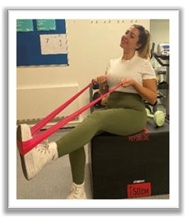
The benefits of exercising
- Improves muscle strength, balance and flexibility
- Helps to prevent falls
- Maintains independence
- Improves stamina
- Increases circulation
- Keeps warm
- Decreases muscle tension and joint pain
- Helps thicken and strengthen bones
- Improves appetite and reduce constipation
- Sharpens alertness during the day
- Improves insomnia at night
- Increases self-confidence
- Helps boost low mood
- Improves social life by meeting others
- Strength and balance exercises can be prescribed by a therapist.
Bone Health
- As you age you are more likely to develop Osteoporosis.
- Osteoporosis weakens bones, making them fragile and more likely to break. It develops slowly over several years and is often only diagnosed when a fall or sudden impact causes a bone to break.
- To keep your bones healthy, you must eat foods rich in calcium and vitamin D. Calcium is in milk, cheese, and yoghurt.
- You must eat 3 portions from this food group daily, for example: 1/3 pint of milk, 30g cheese and one carton of yoghurt.
- There are suitable lactose free alternatives that contain calcium and vitamin D. This includes special milks such as soya, almond, rice, coconut etc
- Lactose free vitamin D/calcium supplements are readily available at pharmacies.
- Greens including brussels sprouts, broccoli, kale etc. are similarly good lactose free alternatives.
Eat well
- Eat foods containing vitamin D. This includes oily fish, breakfast cereals and margarines that have added vitamins.
- However, most of our vitamin D comes from sunlight.
- People over 65 and those who are housebound or have darker coloured skin are advised to take a vitamin D supplement of 10 micrograms per day.
- Your GP might prescribe you specific medication to maintain your bone strength.
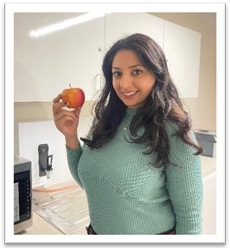
Hydrate
- Drink 6-8 glasses of water a day.
- Drinks containing caffeine and theine (coffee, tea), juices or fizzy drinks (containing sugars) make you more dehydrated.
- These types of drinks are not suitable water replacements.
Exercise for bone strength
- You can make your bones stronger by doing regular exercise which involves 'weight- bearing'.
- This is any exercise where you are supporting the weight of your own body for example, strength and balance exercise, dancing and tai chi.
Think about how much alcohol you drink
- If you drink alcohol, consider drinking less.
- Alcohol increases your risk of falling as it can affect your balance, cause confusion, make you sleepy and increase risk taking behaviours.
- It causes dehydration and can negatively affect any medications you are taking.
- Mixing alcohol and medication can be harmful. This can lead to falls and serious injuries, especially among older people.
Medications
- Some medicines can cause side effects which can make you feel dizzy, drowsy, or unsteady and may result in you having a fall.
- If you experience any of these symptoms, or if you take four or more different medications each day, ask your Doctor or Pharmacist to review your medications every six months.
- You should only take medications as they have been prescribed by your Doctor.
- If you are unsure about any of your medications, ask your Doctor or Pharmacist for advice.
- Ask for advice prior to taking over the counter or herbal remedies as these can react with other medications.
- It is very important to take your medications regularly, as prescribed, and on time. A device - like a blister pack or small box - can help you to make sure you have taken all your tablets for the day.
- Setting up an alarm or asking someone to remind you to take medications might also be very helpful.
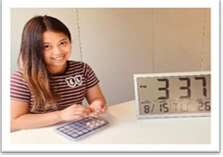
Risks in your home and in the community
- Many falls are caused by hazards around your home. Use the following checklist to identify potential risks and how you and your friend/relative/professional may address them.
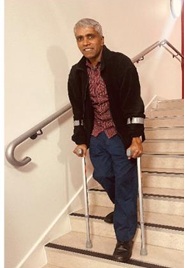
Stairs
- Do not put anything on the stairs.
- Have a professional install 'easy grip' handrails on either side of the stairs if you need to hold onto something while using stairs.
- Unless you use your walking aid on the stairs (stick/crutches), do not attempt to carry it up and down - keep one for upstairs and have an extra one for downstairs.
- Make sure that you have good lighting to see clearly on the staircase. Light sensors can be helpful for nighttime.
Bathroom
- Have a professional install 'grab rails' or other home equipment by the toilet, bath and shower, if needed, to ease your transfers (in-out of bath, up-down toilet etc).
- Use non-slip mats in the bath and shower.
- Mop up any water/spillages as soon as possible to avoid slips.
All rooms
- Replace worn or damaged carpet or flooring.
- Avoid patterned floor surfaces.
- Remove all loose mats.
- Avoid trailing leads/wires - consider a cordless telephone.
- Arrange your furniture so you are easily able to walk around/use your walking aid.
- Ensure you have good lighting - use high wattage bulbs.
- Put lights on at night or install automatic light sensor.
- Minimise clutter on walking paths- including boxes, chairs, books clothing or shoes.
Clothing: If you wear full length skirts and garments make sure they are not too long as they might cause you to trip over.
Outdoors
- Report broken or uneven public pathways to your local council.
- Ensure personal driveway/walkway is in good condition.
- Remove leaves and other debris.
- Have a professional install handrails on any steps.
- Paint the outer edge of steps with non-slip white paint.
- Have salt spread on icy pathways/avoid walking in icy conditions.
- Ensure you have good lighting.
Other advice
- Do not wear long, trailing clothing that drags along the floor.
- Use a helping hand aid to avoid over stretching.
- Be aware of children or pets that could cause you to trip.
- Replace ferrules (the rubber/plastic end) on your walking aid if the treads are worn down.
- Make sure there are no wires or other clutter near places where you walk.
- Get someone else to change curtains or light bulbs for you.
- Store things that you use a lot in places you can get to easily
- Mop up any spills at once. If you are going to use steps to reach something, make sure they are non-slip, with a safety chain and handrail.
- More telephone extensions around the home will stop you rushing to answer the phone. Cordless ones are particularly useful as you can leave the handsets in convenient places. An answer machine might be even better.
- A 'personal fall alarm' system can be installed. Find out more about these systems by checking the different Assistive Technology solutions of Haringey Connected Care Service (formerly Safe & Sound Community Alarm Service - see the end of this leaflet).
- Try to keep your home warm. Cold muscles work less well and may lead to accidents and injuries.
- If you have a pet, fit a brightly coloured collar, so that you can see it more easily and are less likely to trip over it.
- Speak to your Occupational Therapist for more specialist assessment or if you're having difficulties with your daily living activities.
Continence problems
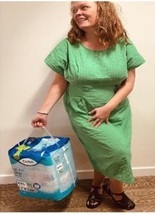
- Incontinence (loss of bladder/bowel control) increases the risk of falling as you rush to the toilet. It is important to keep your fluid intake to 6-8 glasses per day to manage this problem.
- Some people feel embarrassed to talk about their incontinence issues, however if you do have problems, you must discuss them with your GP
- By telling you GP you can get the right help, treatment and/or continence products. For example, at night it is worth considering having a commode or urinal by the bed.
Vision and hearing
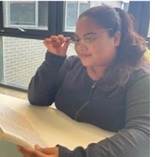
- Good vision can help you keep your balance.
- You should have your eyesight checked by an Optician every two years or sooner if you notice a change in your vision or your optician has advised otherwise, for example, you have a glaucoma risk.
- Eye tests are free for everyone over the age of 60.
- If you are unable to get to the Optician check with your preferred service (Doctor, Therapist) for advice about home visits from the Optician.
- If you wear bifocals or varifocals you must take extra care as they can affect your perception of potential hazards and objects. This can cause you to lose your balance and fall.
- You should discuss your options with an Optician.
- Hearing loss can also affect your balance and your Doctor should be told if you experience any loss or changes. Seek medical review if you experience a sudden change in your hearing or develop new tinnitus (a 'ringing/buzzing sound'). Your Doctor/Therapist will be able to direct you to the appropriate service.
Foot health
Looking after your feet can help to prevent problems such as corns, calluses and painful/ingrown toenails. These can make you unsteady on your feet and can increase your risk of falling.
If you have any problems with your feet, you must make an appointment with a registered Podiatrist (foot specialist). They will be able to offer treatment and advice.
**Think about your footwear.
Footwear affects the way we walk.
Good fitting, supportive footwear can improve walking. Badly fitting or unsupportive footwear can result in a fall. Your shoes should have a closed heel or heel strap and be well fitting.
You are more likely to slip or trip if you are wearing:
- Slippers/flip flops/sliders/sandals that are loose or have no back.
- Shoes that are too big or small.
- Shoes with heels.
- Flared trousers/clothing that trails to the ground.
- Flat shoes or shoes with thin soles or built-in-heel. Avoid walking on slippery floors.
- Having diabetes may affect the way that your feet feel when you walk. You must be extra careful and have your feet regularly checked by a Podiatrist.
Confusion
- Take extra care when you are unwell as this can affect your mental ability to focus and keep safe.
- Drink plenty of fluids throughout the day so that you do not get dehydrated.
- Remember, dehydration can cause you to fall.
- It is not uncommon to feel dizzy when you stand up from sitting or lying. This is called postural hypotension (decrease in blood pressure) and it is mainly caused by poor intake of water.
Cognition
- Aging causes losses in memory attention and concentration - if this becomes more noticeable, please speak to your Doctor.
Delirium
- Another condition that causes sudden confusion is called delirium. It is usually due to an acute infection, like a urine or chest infection.
- Your Doctor must be told about this immediately so that you get the right treatment. Delirium increases all health risks, including the risk of having a fall.
- If you have a diagnosis of dementia or cognitive impairment (confusion or memory loss) this can also increase your risk of having a fall.
- Speak to your Doctor/Therapist if you think that you may be experiencing dementia symptoms. These include blackouts, faints, poor awareness of risks, poor awareness of time, spaces, places and people and behavioural changes, for example, agitation. Any of these symptoms must be reported to your healthcare professional.
Stop smoking
- You can speak to your Therapist or Doctor about local Smoking Cessation Services.
Useful resources
Haringey
Assistive Technology: safety at home through independent living telecare solutions
Tel: 01977 660479Haringey Connected Care Service (formerly Safe & Sound Community Alarm Service)
Tel: 0208 489 2365
Email: connectedcareservice@haringey.gov.ukNRS Community Equipment:
Tel: 0330 100 0098
Email: reception@nrs-uk.co.ukHAGA action on alcohol:
Tel: 0208 801 3999 / humankind.haga590hrs@nhs.netHaringey Social Services: First Response Team: 0208 489 1400
Mental Health Crisis Team:
Tel: 0800 151 0023Samaritans Helpline:
Tel: 116123 (24/7)One You Haringey: health support:
www.oneyouharingey.org
Tel: 0208 885 9095
Islington
Islington Social Services - First Point of Contact Team:
Tel: 0207 527 2299Assistive Technology:
assistivetech@islington.gov.uk
Tel: 0207 527 5456Age UK Islington:
https://www.ageuk.org.uk/services/in-your-area/carers-support