

Fatigue in Post covid and post infection conditions
Fatigue
Fatigue is one of the most common symptoms that clients report and is often described as an all-body experience. This can include an overwhelming sense of exhaustion which can be physical, cognitive, emotional, social and sensory in nature.
Fatigue does not result from unusually difficult activity and is not immediately relieved by sleep. It may not be in proportion to the level of activity completed and is not the same tiredness as experiencing a very busy day.
This type of fatigue can result in an inability or reduced ability to do everyday things like having a shower or making some food. It might also mean prioritising rest over socialising if energy levels are low.
Energy management
Energy management can be challenging and can involve quite a bit of planning. When we talk about energy management, it’s useful to break down energy expenditure into emotional, social, physical, sensory, and cognitive.
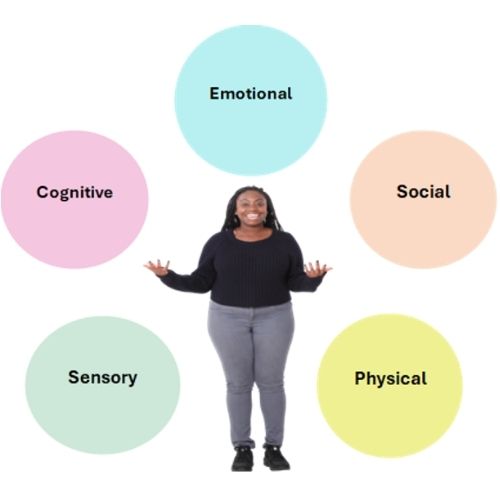
Emotional fatigue: During times of stress or illness you may feel emotionally worn out or drained. It may mean you have feelings of anxiety, feeling stuck, powerless, increased irritability or notice changes to your general mood. Having to deal with these difficult emotions can use significant amounts of energy and add to fatigue levels. Some situations and conversations may also use emotional energy and lead to unexpected fatigue.
Social fatigue: Mixing with others requires you to use energy to listen, monitor, process information and respond. The type of conversation the number of people, and how well you know the people present, will all impact on how much energy you use in each social setting.
You may find that you are able to manage a visit from a good friend for an hour whereas meeting a group of friends in a noisy restaurant would leave you feeling very fatigued.
Physical fatigue: This tends to be associated with physical activity and movement which can cause a feeling of lethargy and an increase in muscle and joint aches or pain.
Cognitive fatigue: This may also be referred to as mental fatigue. This can be described as fatigue resulting from concentrating on a task and thinking and can impact on our ability to processing information, remember things, and learn.
Sensory fatigue: Sensory fatigue may also be referred to as sensory overload. This can happen when your brain is struggling to process all the input from all five of your senses. This may cause symptoms such as difficulty focusing on a task, irritability, restlessness or fatigue. Levels of fatigue may fluctuate week to week, day by day or even hour by hour.
Restorative practice
Energy conservation, rest, and restorative actions are an important part of energy management. Developing restorative practices such as breathing techniques, meditation, Qi Gong, gentle yoga, mindfulness, and relaxation techniques play an important part of self-management of Long Covid, ME/CFS and other Post Infection Conditions.
The aim is to support your bodily systems to better regulate, by supporting the part of the autonomic nervous system that acts to calm the body. The autonomic nervous system should move smoothly between sympathetic (flight/fight) mode when we need to urgently respond, to parasympathetic (rest, digest, repair), when we are relaxed. This is a very important system that acts on your whole body, including your brain, your heart, your digestion and your breathing, to enable you to react when needed.
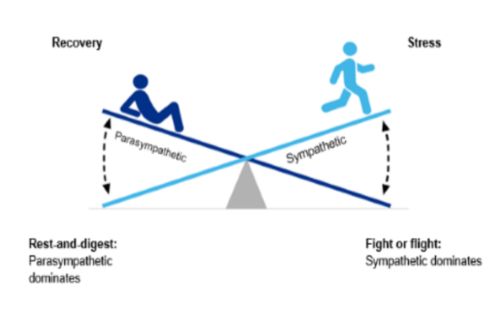
Autonomic nervous system.
In these diagnoses, it seems that the sympathetic (flight/fight) mode becomes over sensitive. This makes it hard for the body to rest and heal and may disrupt basic bodily systems, such as how you produce energy, your ability to sleep and the immune system.
It is thought that by regularly participating in restorative practises it is possible to gradually reduce the increased sensitivity of the sympathetic pathway. These practises are also useful to enable you to have regular periods of good quality rest to help manage fatigue.
The clinicians on the team will talk about restorative practice throughout intervention and help you to identify what works well for you, to personalise the approach. If one practise does not work, there are lots of others to try until you find something you find useful.